Creating Impact
The Human Capital Index quantifies the contribution of health and education to the productivity of the next generation of workers (D. Nicola, World Bank, 2018). Therefore, Jacobs Well Child Africa is committed to investing in specifically children, for future long term economic growth. Most of the countries we work with have committed to the Sustainable Development Goals (SDGs) and our support is towards achieving those goals.
With that in mind, JWCA partners with non-profit organisations locally for service delivery By understanding the causes, we can find solutions. The charity is invested in the following:
1. Child poverty:
According to World Poverty clock, 2020, The African continent has a population of 1,278,067,380 with 39% living in extreme poverty. Nigeria is the largest country within Africa with a total population of 201,623,008. It is therefore a key focus area for the charity. 48% are living in extreme poverty of which a staggering 56,670,980 are children, many families living on the equivalent of $1.54 per day. These figures are continuing to grow. The causes of poverty are complex but further exacerbated by political instability, corruption, HIV/AIDS epidemic, cultural conflict, ethnic cleansing. The impacts are far reaching and devastating for the most vulnerable, children.
2. Education

3. Homelessness
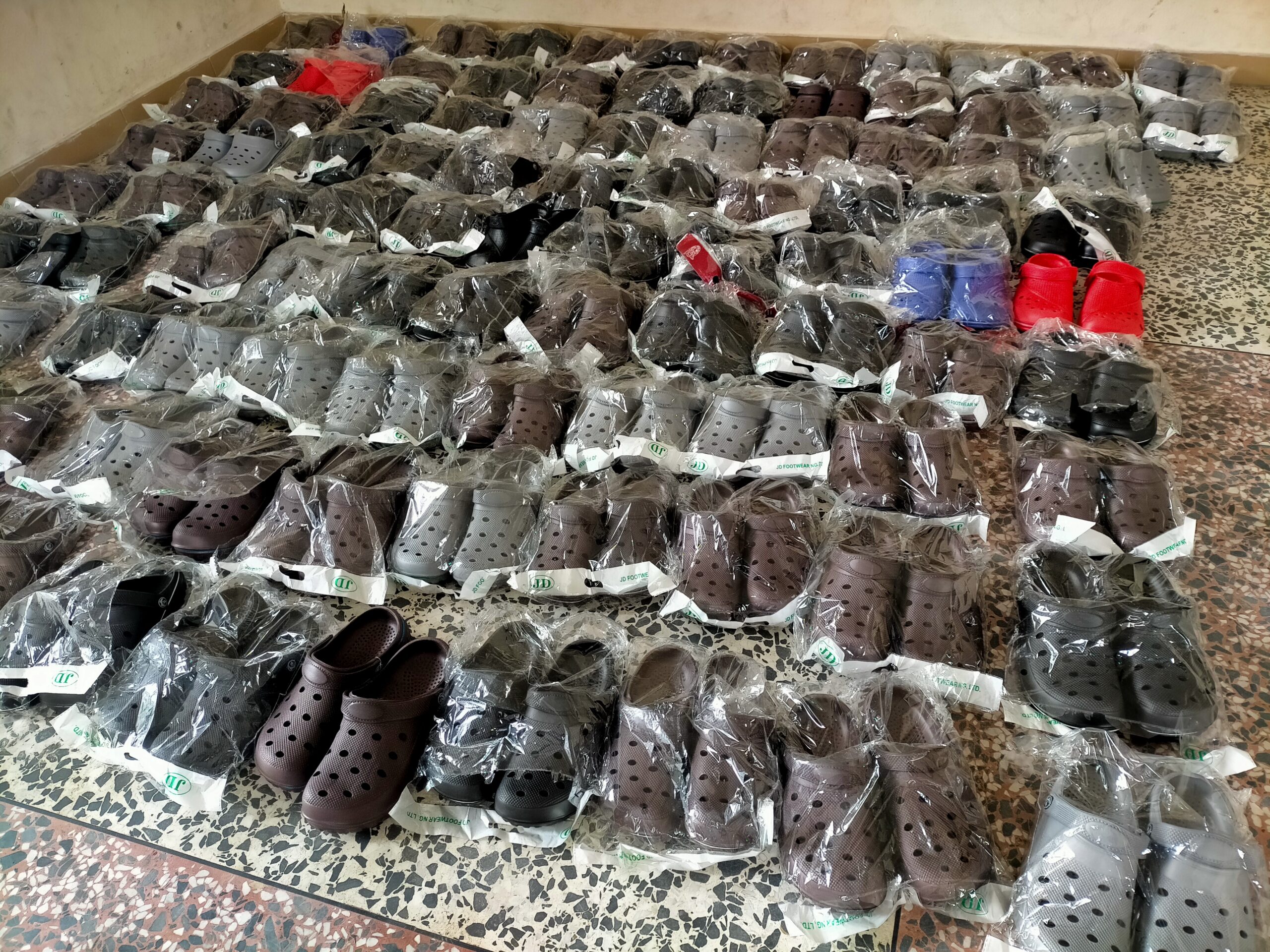
JWCA are keen to support interventions towards removing children from the streets – Programs such as providing shelter and rehabilitation through street-based programs to alleviate the worst aspects of street life.
4. Health
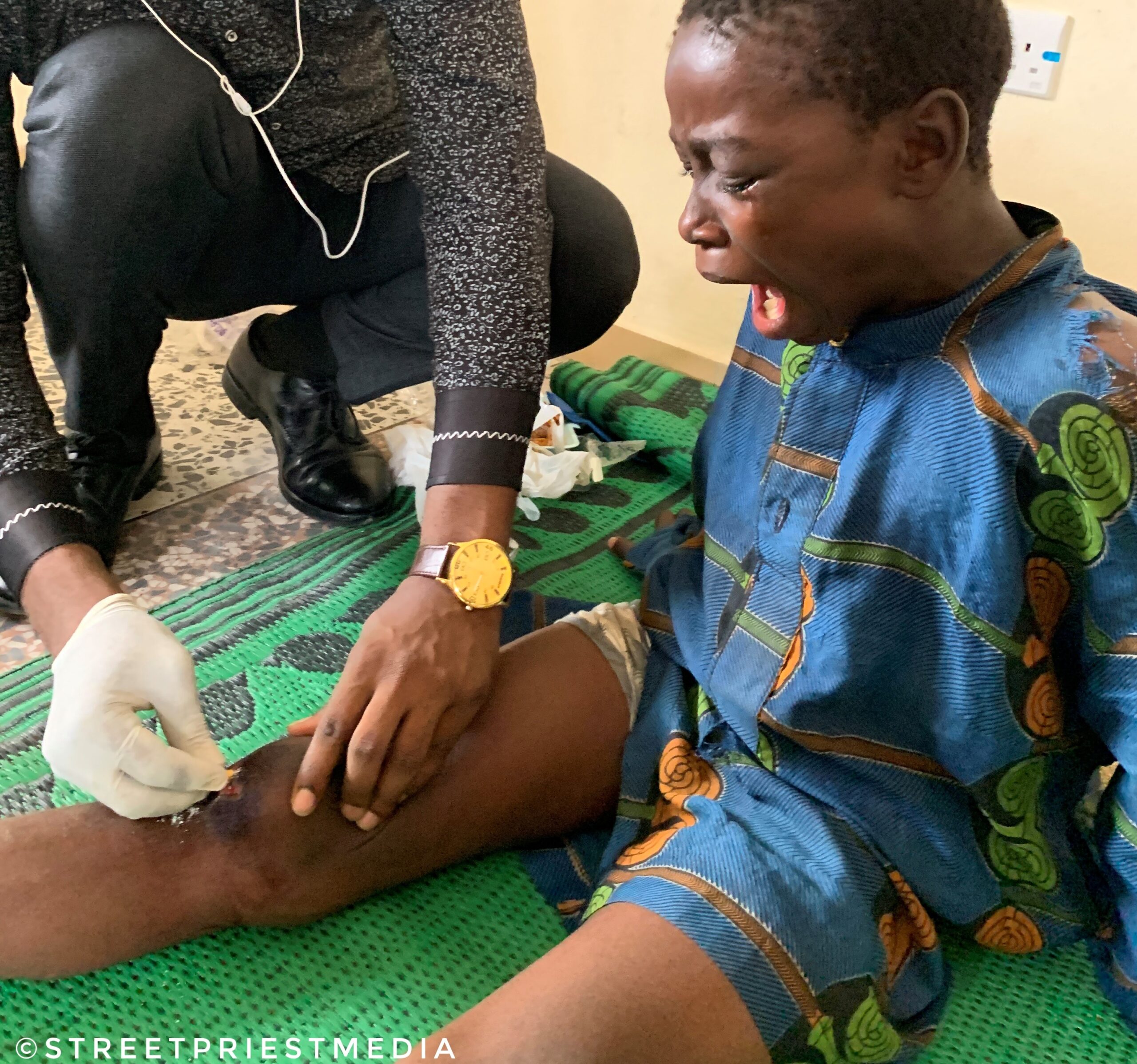
Sub Saharan Africa accounts for 38% of all neonatal deaths and has the highest newborn death rate globally. 1 in 9 children dies before the age of 5yrs. So far, Eastern and Southern Africa have reduced death in under-fives by 48% from 1990-2011 and Western and Central Africa have reduced death in under-fives by 33% for the same period. (USAID: A promise Renewed progress report, 2012).
Chief causes amongst them include sepsis during birth (caused by lack of adequate medical care and sanitation during the birth process), Diarrhea, Malaria and malnutrition. These are critical for our beneficiaries and street children in particular are ten times more likely to be exposed to some form of disease. JWCA are keen to partner with local NGOs in interventions for medical provision to alleviate these conditions.
The health of street children is a major concern and the charity will prioritise these as matter of urgency.
5. Mental Health
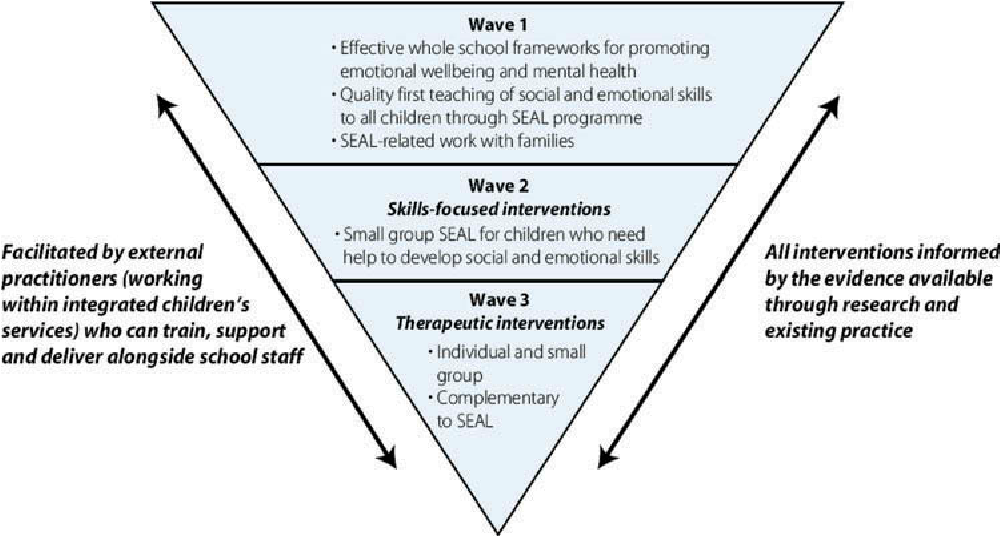
There is a crisis in child mental health across England aggravated by a cash strapped National Health Service with conflicting priorities. In the Children’s commissioner’s words, “a chasm remains between what services are available and what children need”, this was pre-pandemic!. It is estimated about 2 million children are living with families with substantial complex needs. One area within that ‘chasm’ is in ‘low level’ mental health provision. It is a fact that the earlier an intervention at the first sign of mental health decline, the higher the chances of avoiding a full-blown crisis and of full recovery. 45% of ‘children looked after’ (one of the vulnerable groups) experience mental health problems. Symptoms can be emotional, behavioral or hyperkinetic in nature. Primary prevention of mental health deterioration e.g., anxiety and depression can take place at school level and reverse the downward spiral that leads to school exclusion. The department for children, schools and families, has funded the Targeted Mental Health in Schools (TaMHS) project to plug this gap. It is JWCAs aim, to collaborate with other professionals to support its target group that needs such interventions within this project.
Diagram below shows how TaMHS is structured showing the 3 waves underpinning it.
Source: A commitment from the children’s plan; Targeted Mental Health in Schools project
